Silurische Formation
Silurische Formation
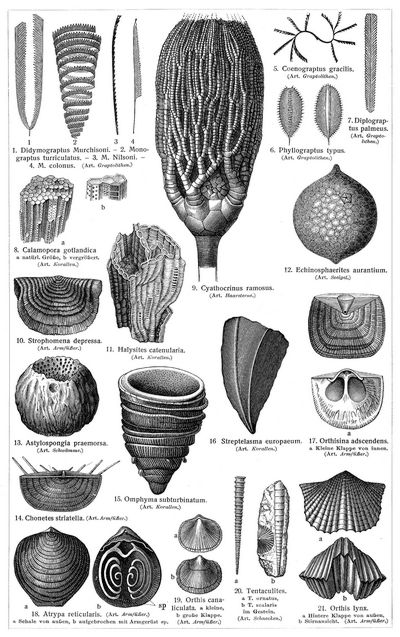
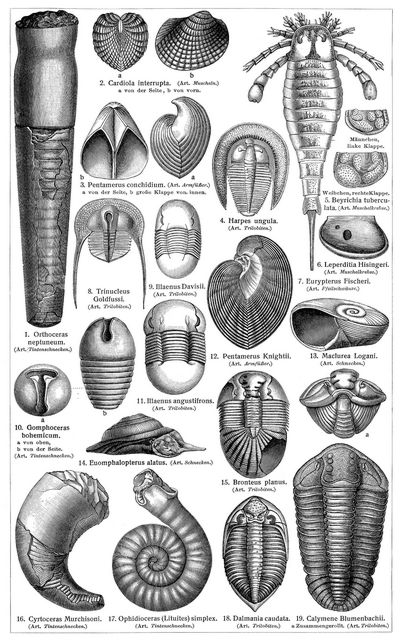
Brockhaus-1911: Silurische Formation · Permische Formation · Pariser Formation · Laurentische Formation · Sinische Formation · Anthropozoische Formation · Präkambrische Formation · Kretazische (Kretazeische) Formation · Eozoische Formation · Devonische Formation · Azoische Formation · Kambrische Formation · Huronische Formation · Formation
Lueger-1904: Perm, Permische Formation · Formation · Eozoische Formation
Meyers-1905: Silurische Formation · Permische Formation · Laurentische Formation · Kambrische Formation · Sinische Formation · Rhätische Formation · Rätische Formation · Hurōnische Formation · Azōische Formation · Anthropozoïsche Formation · Algonkische Formation · Devonische Formation · Geologische Formation · Formation · Erratische Formation
Pierer-1857: Permische Formation · Cumbrische Formation · Formation · Cambrische Formation · Devonische Formation
Buchempfehlung
Schnitzler, Arthur
Komtesse Mizzi oder Der Familientag. Komödie in einem Akt

Ein alternder Fürst besucht einen befreundeten Grafen und stellt ihm seinen bis dahin verheimlichten 17-jährigen Sohn vor. Die Mutter ist Komtesse Mizzi, die Tochter des Grafen. Ironisch distanziert beschreibt Schnitzlers Komödie die Geheimnisse, die in dieser Oberschichtengesellschaft jeder vor jedem hat.
34 Seiten, 3.80 Euro
Im Buch blättern
Ansehen bei Amazon
Buchempfehlung
Geschichten aus dem Sturm und Drang II. Sechs weitere Erzählungen

Zwischen 1765 und 1785 geht ein Ruck durch die deutsche Literatur. Sehr junge Autoren lehnen sich auf gegen den belehrenden Charakter der - die damalige Geisteskultur beherrschenden - Aufklärung. Mit Fantasie und Gemütskraft stürmen und drängen sie gegen die Moralvorstellungen des Feudalsystems, setzen Gefühl vor Verstand und fordern die Selbstständigkeit des Originalgenies. Für den zweiten Band hat Michael Holzinger sechs weitere bewegende Erzählungen des Sturm und Drang ausgewählt.
- Johann Karl Wezel Kakerlak oder die Geschichte eines Rosenkreuzers
- Gottfried August Bürger Münchhausen
- Friedrich Schiller Der Verbrecher aus verlorener Ehre
- Karl Philipp Moritz Andreas Hartknopfs Predigerjahre
- Jakob Michael Reinhold Lenz Der Waldbruder
- Friedrich Maximilian Klinger Geschichte eines Teutschen der neusten Zeit
424 Seiten, 19.80 Euro
Ansehen bei Amazon
- ZenoServer 4.030.014
- Nutzungsbedingungen
- Datenschutzerklärung
- Impressum