Corot, Jean-Baptiste Camille: Kathedrale von Nantes [1]
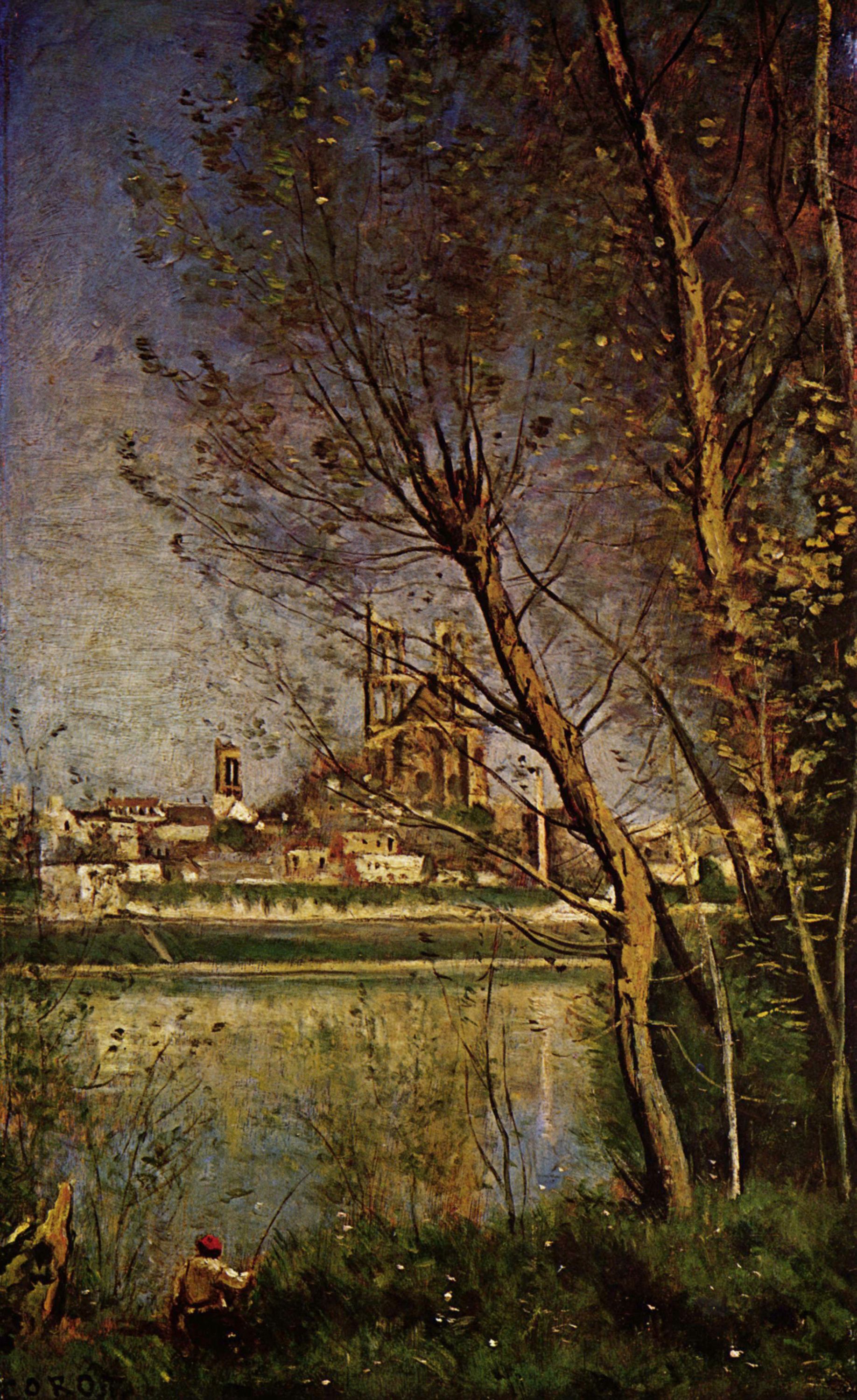
| Künstler: | Corot, Jean-Baptiste Camille |
| Entstehungsjahr: | nach 1860 |
| Maße: | 52,1 × 32,6 cm |
| Technik: | Öl auf Holz |
| Aufbewahrungsort: | Reims |
| Sammlung: | Musée des Beaux Arts |
| Epoche: | Realismus, Impressionismus |
| Land: | Frankreich |
Brockhaus-1809: Das Edict von Nantes · Nantes · Der General (Jean Baptiste) Jourdan · Johann Baptiste Carl Graf d'Estaing · Gaston Jean Baptiste Herzog von Roquelaure · Jean Baptiste Louvet · Baptiste · Jean Baptiste Roland · Jean Baptiste Louvet (Interims-Nachtrag)
Brockhaus-1837: Nantes · Kathedrale
Brockhaus-1911: Nantes · Kathedrale · Corot
DamenConvLex-1834: Nantes (Geographie) · Rousseau, Jean Baptiste
Eisler-1912: Sales, Jean Baptiste · d'Argens, Jean Baptiste · Robinet, Jean Baptiste · Dubos, Jean Baptiste · Mirabaud, Jean Baptiste de
Herder-1854: Nantes · Edict von Nantes · Kathedrale
Meyers-1905: Edikt von Nantes · Nantes · Kathedrāle · Corot
Pagel-1901: Landry, Jean-Baptiste-Octave · Roussel, Théophile-Victor-Jean-Baptiste · Laborde, Jean-Baptiste-Vincent · Barth, Jean Baptiste · Fonssagrives, Jean-Baptiste · Lafargue, Baptiste-Eugène
Pierer-1857: Nantes · Nantes-Brest-Kanal · Kathedrale · Saint John Baptiste · Baptiste
Buchempfehlung
Strindberg, August Johan
Inferno

Strindbergs autobiografischer Roman beschreibt seine schwersten Jahre von 1894 bis 1896, die »Infernokrise«. Von seiner zweiten Frau, Frida Uhl, getrennt leidet der Autor in Paris unter Angstzuständen, Verfolgungswahn und hegt Selbstmordabsichten. Er unternimmt alchimistische Versuche und verfällt den mystischen Betrachtungen Emanuel Swedenborgs. Visionen und Hysterien wechseln sich ab und verwischen die Grenze zwischen Genie und Wahnsinn.
146 Seiten, 9.80 Euro
Im Buch blättern
Ansehen bei Amazon
- ZenoServer 4.030.014
- Nutzungsbedingungen
- Datenschutzerklärung
- Impressum